The challenge
When a risk list arrives before a product delivery, developers still need to know where the issue is, under what conditions it occurs, and where to start fixing it. Managers need to set priorities and confirm that completed work has actually improved the situation. Whether assessment results connect to development work determines the report's practical value.
Our approach
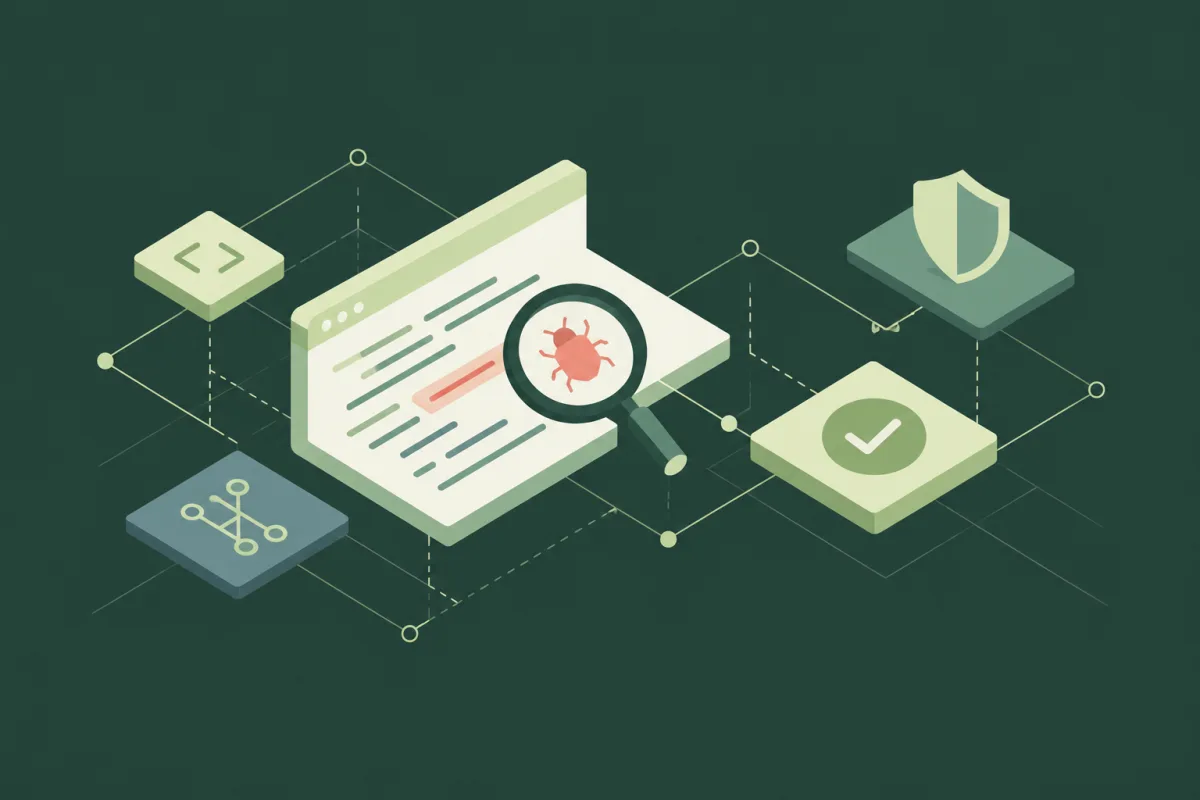
We helped aetherAI complete a source-code security assessment, linking risks to code locations and analytical evidence, and documenting their impact, conditions, and remediation direction. Rule-based analysis helps identify known issues, while semantic code review further clarifies data flows, authorization, and risks across components for the development team to check and address.
What we delivered
- Source-code security findings linked to code locations and analytical evidence, with impact and triggering conditions explained.
- Remediation guidance informed by rule-based analysis and semantic review of data flows, authorization, and interactions across components.
- A finding record connecting the initial assessment, remediation, and follow-up review, including outcomes and areas still requiring attention.
The details we handled
The initial scan, remediation, and follow-up review are tracked against the same finding. Developers can compare the before-and-after state, and managers can review outcomes and areas that still need attention. Deliverables extend from problem descriptions to verification evidence, supporting technical work planning and providing concrete material for acceptance discussions.
- A code pattern alone may not explain whether a risk occurs in the product. The analysis must follow data and authorization across components and state the conditions supporting the finding.
- A code change does not by itself establish that a finding is resolved. Initial evidence, the remediation, and follow-up observations must remain connected so reviewers can assess what changed and what remains uncertain.
What changes
The assessment gives developers a concrete starting point for repair: a code location, an explanation of the conditions, and evidence to examine. Following the same finding through remediation and review lets the team discuss the actual change and remaining concerns. Managers can use that record to plan work and discuss acceptance with the reviewed scope and outstanding questions visible.
How to verify delivery
Acceptance checks for a comparable implementation. Agree on representative inputs and acceptance criteria with your team before verification.
- Select a finding and trace its cited code location, relevant data flow, and triggering conditions; check that the evidence supports the stated impact.
- Compare the proposed remediation with the affected code path and authorization behavior, and review whether it addresses the documented conditions.
- Review the same finding after remediation using the relevant analysis or reproduction steps; record the observed change and any scope that remains unverified.
Every thoughtful implementation starts with understanding the work.