The challenge
Semiconductor research depends on understanding how today's developments connect to earlier forecasts, technologies, and supply-chain changes. Isaiah Research analysts repeatedly revisit reports from different periods and compare in-house research with external material. Their accumulated expertise needs to support both deep analysis and reports shaped for different customer segments.
Analysts are reported to digest data twice as fast with AI-assisted research and source organization.
Our approach
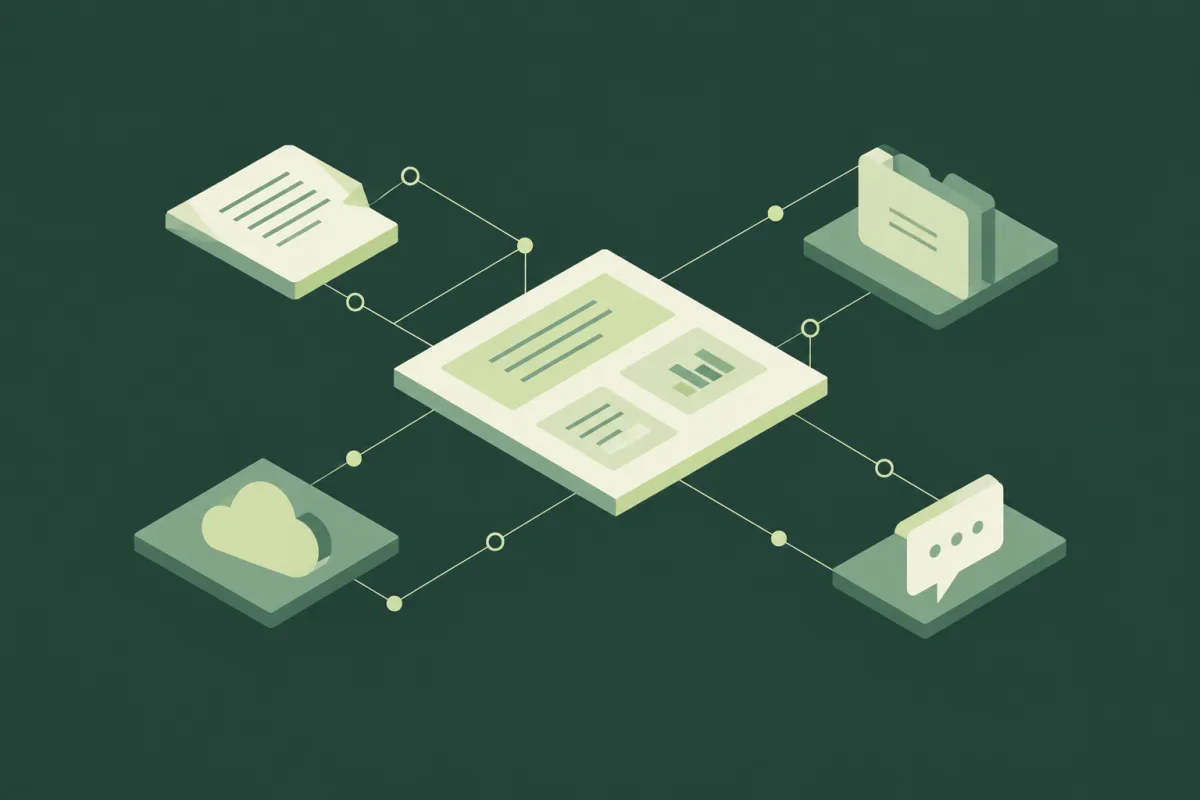
We built a research assistant that connects companies, technologies, products, and supply-chain topics to original research. AI locates relevant sources, organizes timelines, and compares perspectives. Answers retain citations for verification and subsequent reporting. In-house research remains the foundation, with external views clearly identified so the team's analytical perspective stays visible.
What we delivered
- A research assistant connecting companies, technologies, products, and supply chain topics to original research sources.
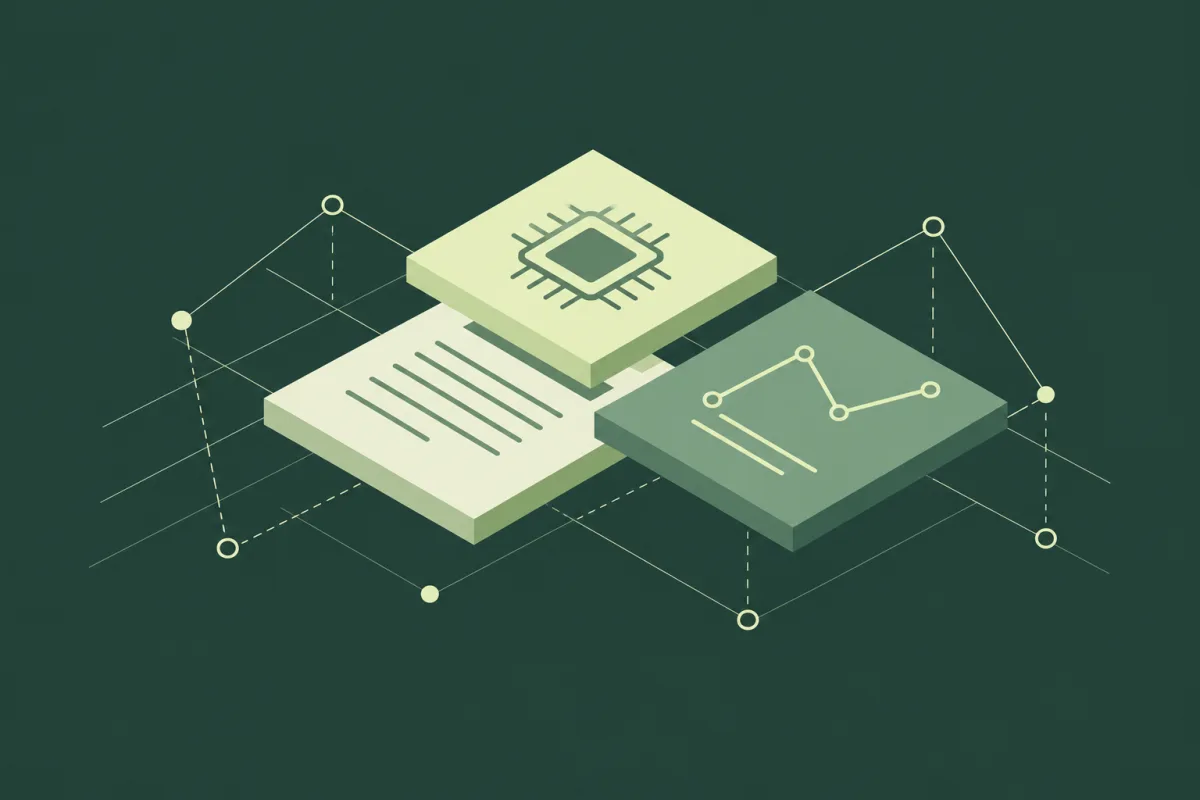
- Timelines and comparisons that keep in-house research distinct from external perspectives.
- Answers with source citations that analysts can check and carry into reports and client discussions.
The details we handled
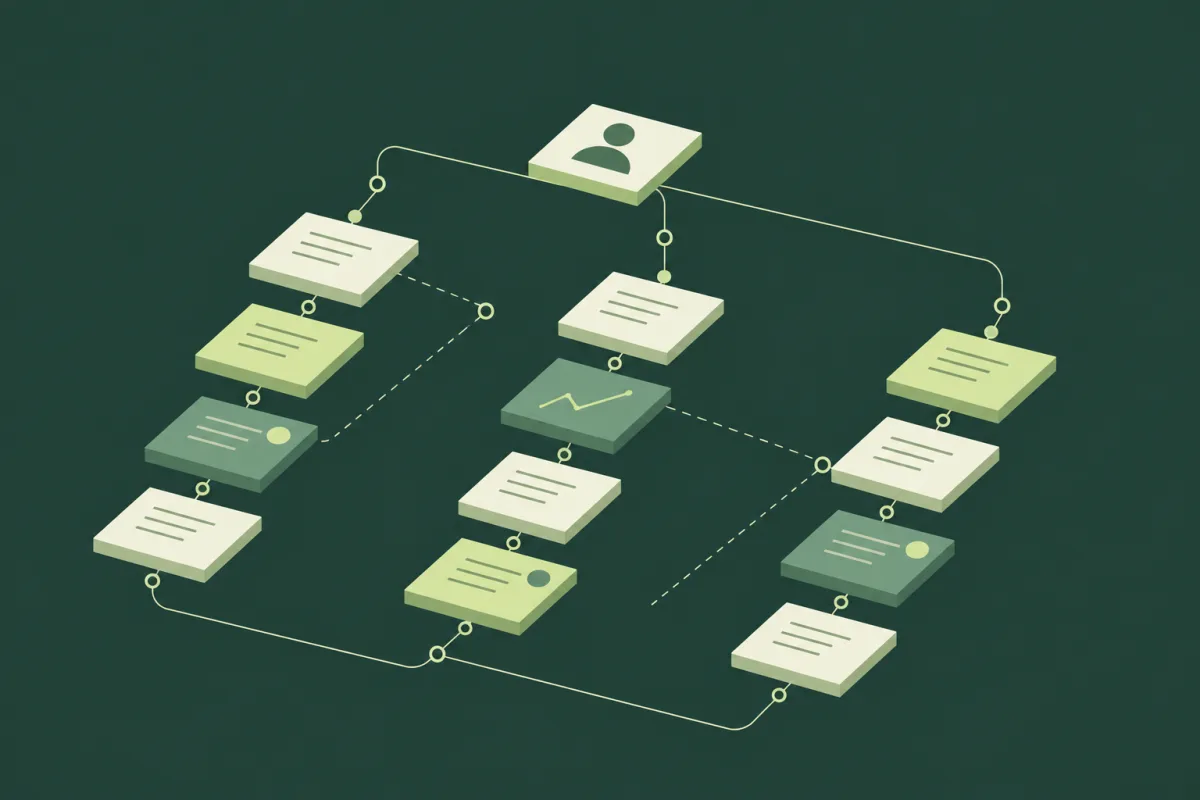
One historical query about a consumer electronics technology brought together 27 sources across approximately 18 months: 23 in-house research sources and four external sources. Analysts could trace early assessments, later developments, and differing views from one result. Citations let them investigate whether differences came from timing, scope, or assumptions.
- Keep the team's own research at the center of an answer while clearly identifying external views and preserving the analytical perspective.
- Make differing conclusions traceable to their dates, scope, and assumptions so historical research can be interpreted in context.
What changes
AI helps Isaiah's analysts digest data twice as fast, giving them more capacity to interpret developments and explain their significance. It also supports lower-cost analysis reports for different customer segments. The same body of research can serve a wider range of questions and report needs while remaining connected to its evidence.
How to verify delivery
Acceptance checks for a comparable implementation. Agree on representative inputs and acceptance criteria with your team before verification.
- Replay a historical research question and compare the retrieved sources and dates with the original reports.
- Follow the citations for selected claims and check that the cited passages support the answer and are labeled as in-house or external research.
- Choose sources with differing conclusions; inspect whether the comparison retains their timing, scope, and stated assumptions.
Every thoughtful implementation starts with understanding the work.