The challenge
Sales brings back requirements in one chat, engineers add constraints in another, and a meeting sets a new direction. When several projects are moving at once, managers often have to search messages and retrieve earlier decisions just to determine who is waiting for whom. Preparing to move the work forward takes substantial time before the meeting even starts.
Our approach
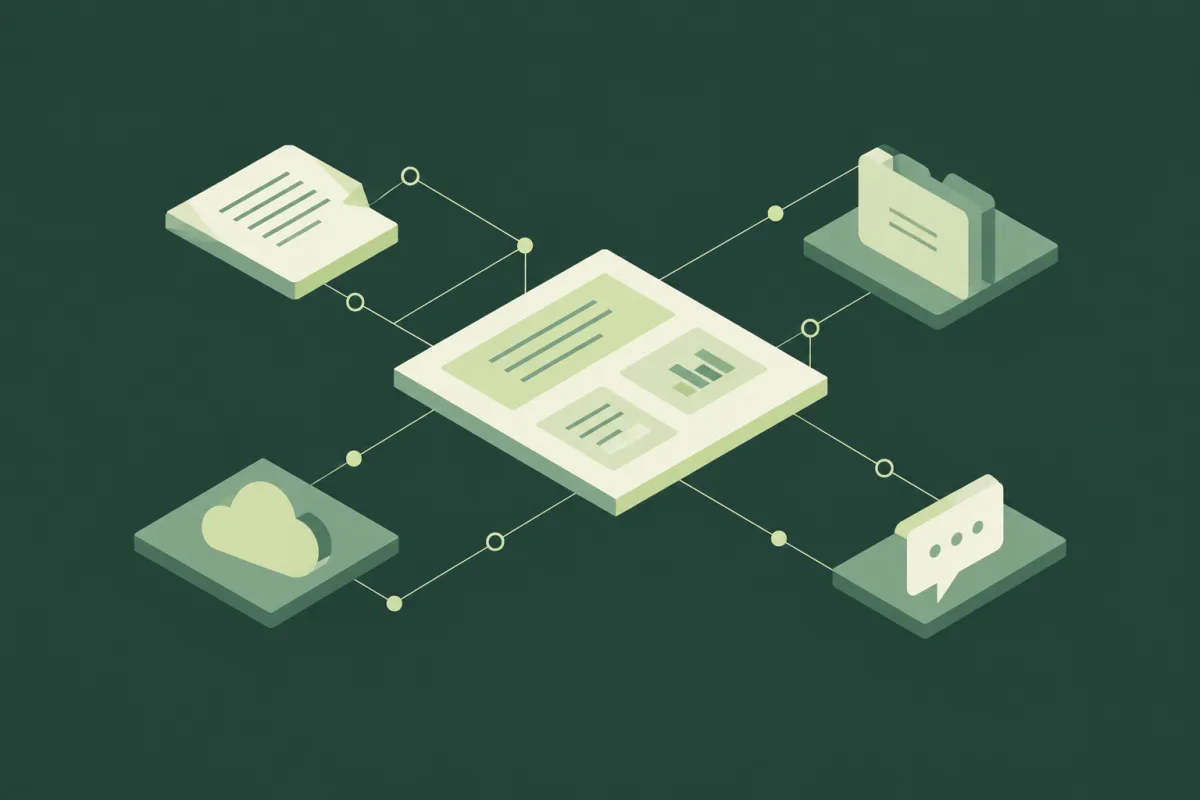
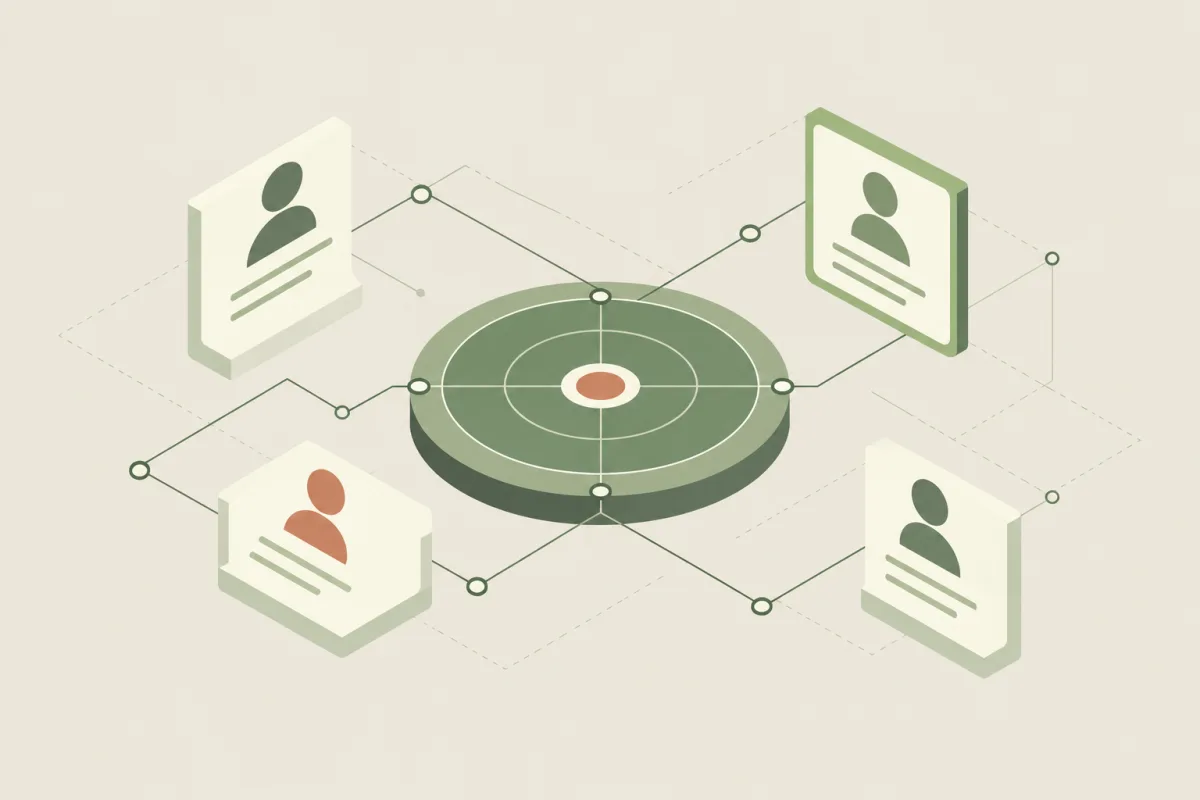
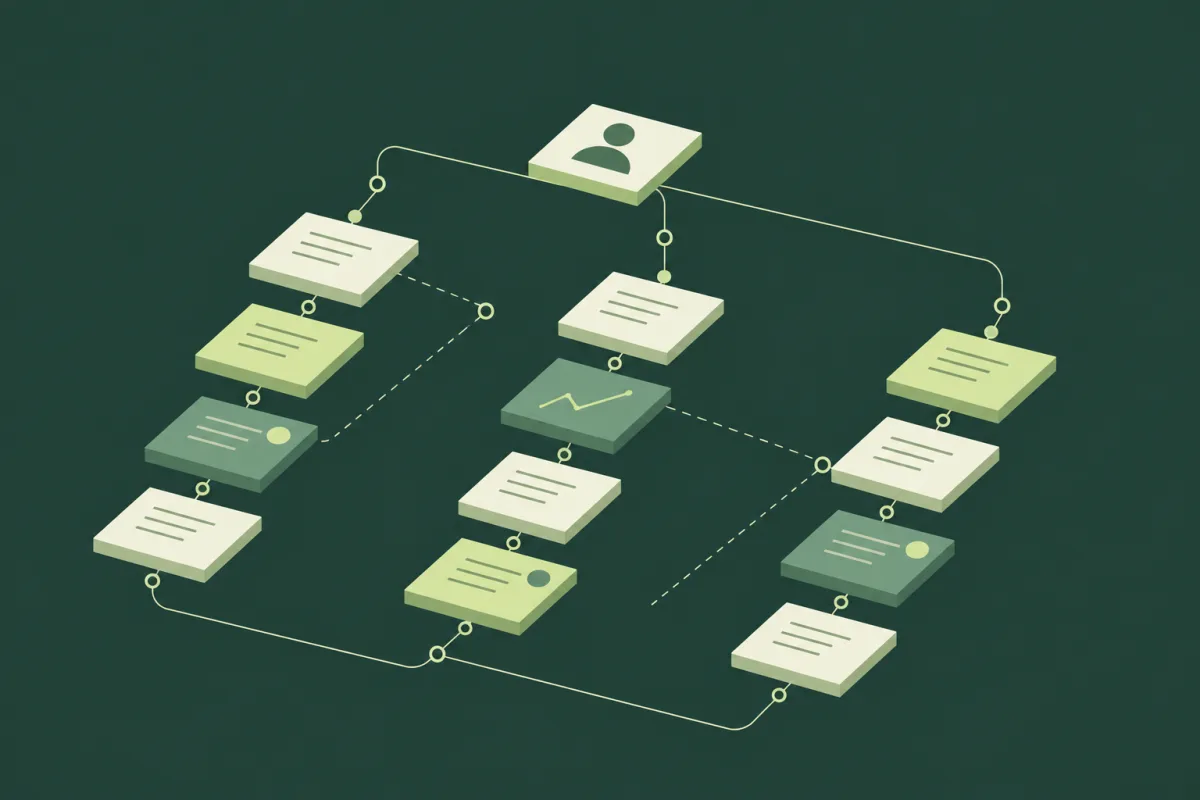
We deployed AI Portfolio to organize projects, tasks, risks, and next steps in a shared worksheet. AI helps read source messages and compare them with existing items, returning ongoing discussions to the original project and creating corresponding tasks for new work. The client-facing contact and the person responsible for execution are recorded separately, making both external and internal responsibilities clear.
What we delivered
- A shared worksheet that brings projects, tasks, risks, and next steps into one view.
- Source-message matching that connects continuing discussions to existing projects and creates corresponding tasks for new work.
- Update history with source references, separate client-facing and execution owners, and a weekly action list.
The details we handled
Each important update retains the previous and revised content along with its source, so the team can trace how a decision developed. Unclear information remains marked for confirmation. Through an overall view and a weekly action list, managers can see blockers, waiting items, and dependencies between people, while colleagues can find the next steps they need to handle.
- Distinguish a continuation of an existing project from new work when requirements and constraints arrive across separate conversations.
- Keep client-facing responsibility separate from execution responsibility, and retain unclear information as items awaiting confirmation.
What changes
The team can begin a project discussion with progress, responsibilities, and unresolved questions already organized. Managers can use the shared view to discuss blockers and coordinate resources, while colleagues can trace decisions and identify the work they need to carry forward.
How to verify delivery
Acceptance checks for a comparable implementation. Agree on representative inputs and acceptance criteria with your team before verification.
- Replay messages containing both a project update and new work; inspect whether each is attached to the correct project or task.
- Select an important update and trace its previous content, revised content, and source message.
- Review a blocked project with the team; check that the client contact, execution owner, waiting item, and next step are clear in the shared view.
Every thoughtful implementation starts with understanding the work.