The challenge
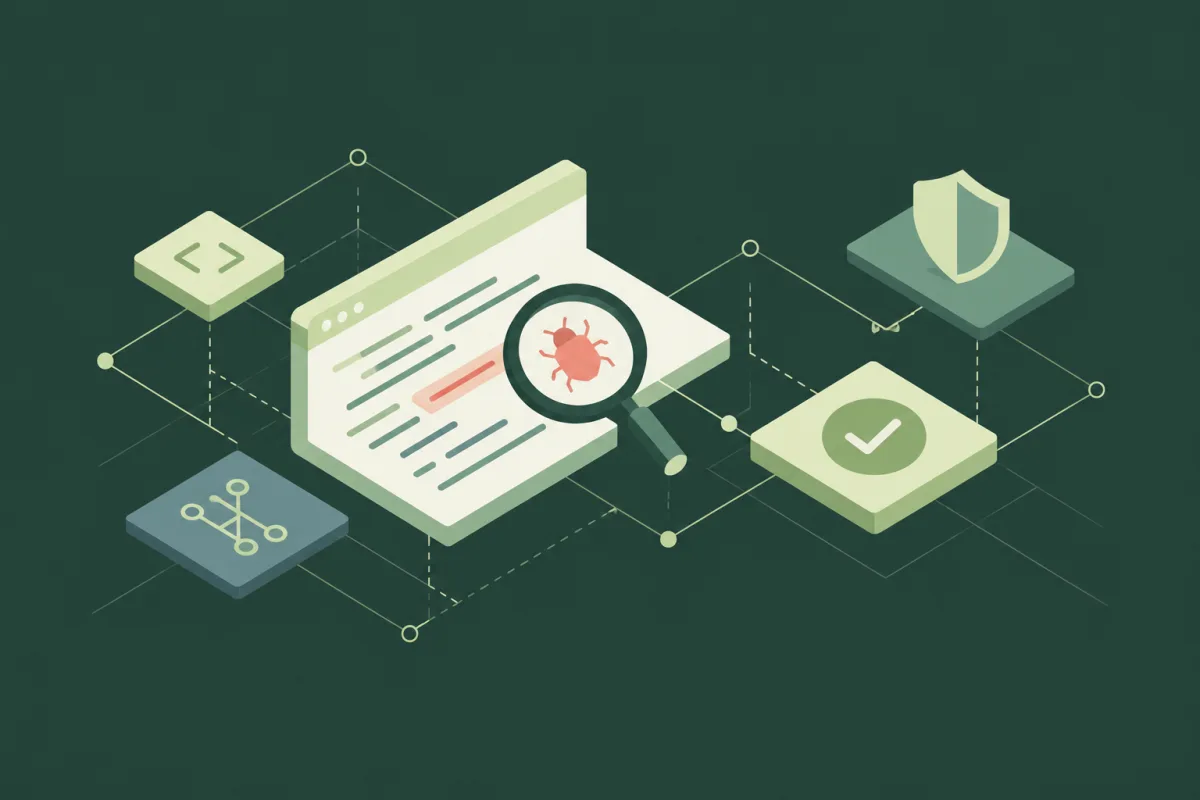
After an equipment inventory is complete, the IT team still needs to decide which problems to address first, who is responsible, and how improvements will be verified. When lists, engineers' judgments, and progress records are kept separately, managers struggle to see the next actions in a report or determine where the next investment of resources should go.
Our approach
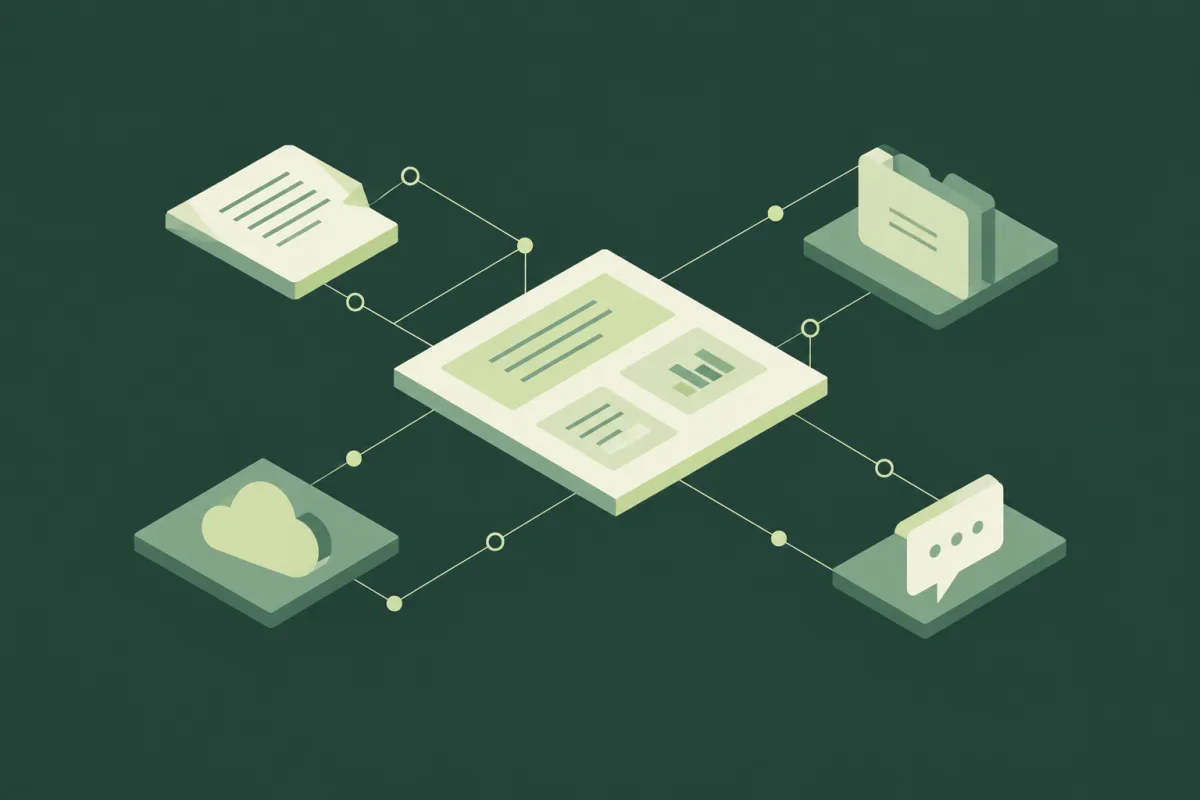
We helped TECO deploy Trigpoint, beginning with a read-only inventory within the authorized scope. Assets, assessment evidence, and improvement recommendations are brought into a shared platform, connected to M365, Defender, Windows, and internal network data. Engineers can trace the basis for a finding, while managers assign responsibilities and resources according to priority.
What we delivered
- An authorized, read-only inventory connecting asset records with M365, Defender, Windows, and internal network information.
- A shared record of assessment evidence, engineering review, priorities, and improvement responsibilities.
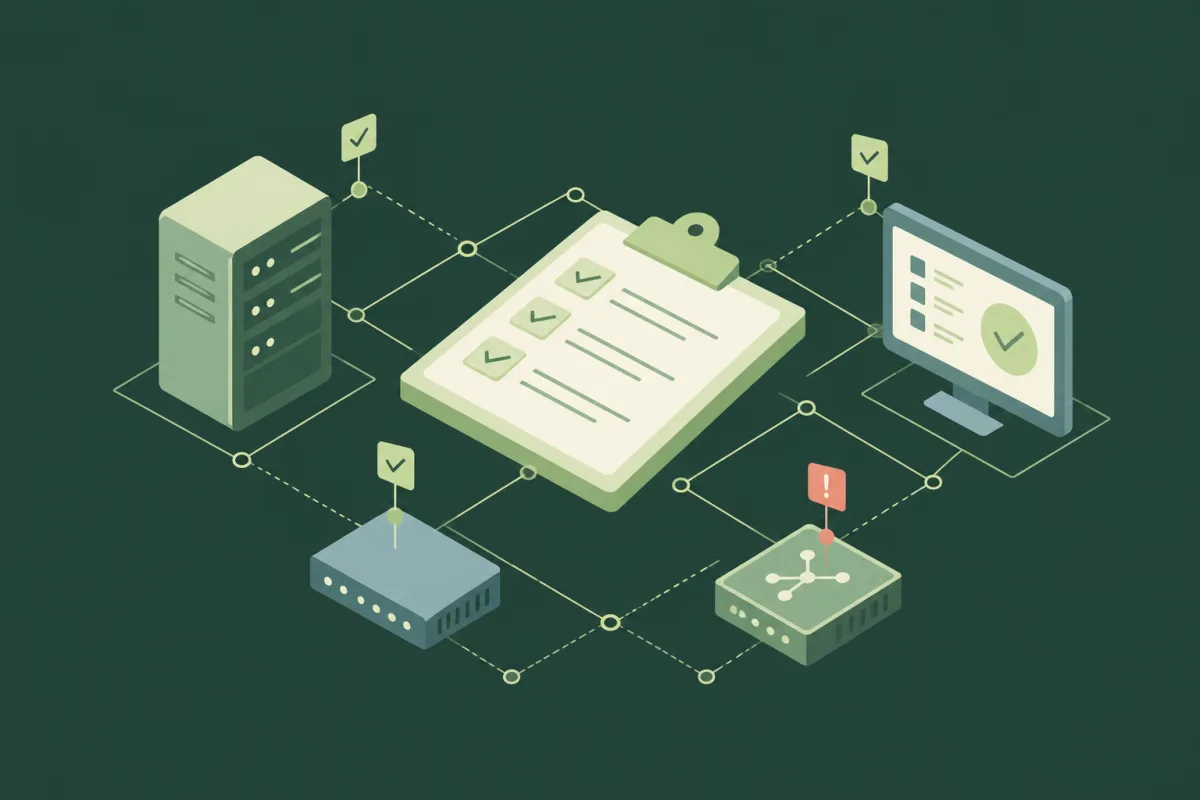
- Follow-up records linking important-change review and fresh assessment data to the original risk, while distinguishing confirmed, unclear, and unchecked areas.
The details we handled
Each risk retains the corresponding information from the asset record and assessment result through engineering review, improvement, and follow-up verification. Confirmed areas, matters still needing clarification, and areas not yet checked are clearly presented. Important changes are reviewed by designated staff, and fresh data is collected afterward to verify results. Every improvement has a comparable before-and-after record that can carry into the next maintenance cycle.
- Evidence comes from different systems and covers different parts of the environment. Missing or unchecked information must remain visible instead of appearing to be a confirmed healthy result.
- Inventory collection and changes to systems have different responsibilities. Important changes need designated review, and their results need fresh evidence rather than relying on the earlier inventory.
What changes
The inventory becomes a record the IT team can continue working from. Engineers can inspect the evidence behind a concern, managers can identify the owner and priority of the response, and follow-up work can be compared with the original assessment. Areas without sufficient evidence remain visible for the next maintenance cycle.
How to verify delivery
Acceptance checks for a comparable implementation. Agree on representative inputs and acceptance criteria with your team before verification.
- Confirm the authorized assessment scope and read-only access, then trace selected asset records to their supporting system data.
- Review confirmed, unclear, and unchecked items and check that each status reflects available evidence; verify that improvement work has a priority and responsible person.
- Follow an agreed improvement through designated review and a new data collection; compare its evidence with the original finding and record any remaining questions.
Every thoughtful implementation starts with understanding the work.