The challenge
A Debit Note has already been generated in the front-end system, yet accounting still has to pass it through printing, scanning, and a shared folder before entering the same information into Formula. For Fubon Insurance Broker in Thailand, each additional batch of business brings another round of transcription and checking. When month-end collection, missing documents, and closing work arrive, this repetition accumulates.
Our approach
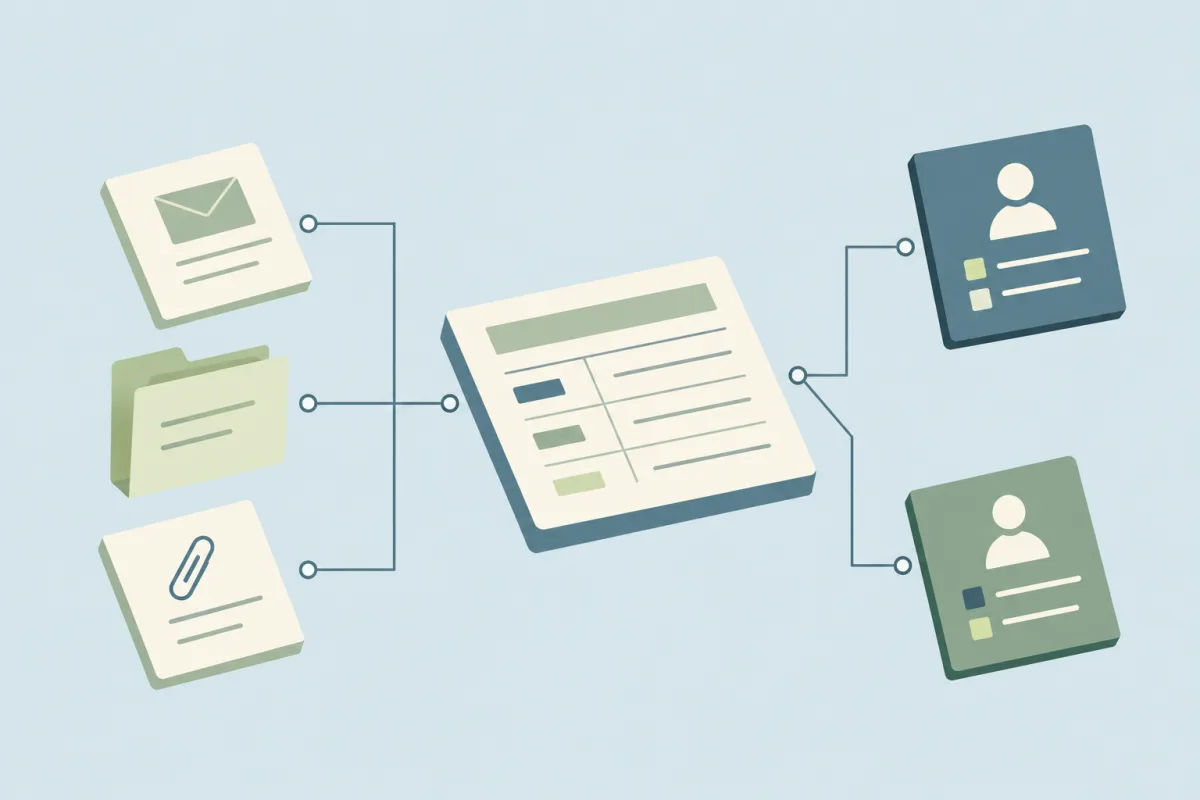
We started with Debit Notes, helping connect data retrieval, field preparation, and entry into the accounting system. The system carries forward existing front-end information and organizes it into the data accounting needs, which staff review before continuing. Expense documents are organized in the same way, allowing finance colleagues to concentrate on checking the content.
What we delivered
- A Debit Note workflow connecting existing front-end data, accounting field preparation, and entry into Formula after staff review.
- Preparation of expense-document information for finance staff to inspect before continuing accounting work.
- Payment-matching suggestions and follow-up records that separate completed items from payments awaiting clarification, documents, or supporting records.
The details we handled
For payment reconciliation, the system first lists possible matches between customers and invoices. Staff then handle bank fees, small residual differences, duplicate payments, and other exceptions. Items requiring sales follow-up have a clear contact, and both accounting and sales can see what is complete and what is still waiting for documents or supporting records.
- The connection must carry the business meaning of the existing Debit Note fields into the accounting workflow. Moving a document between systems does not by itself remove the need to check its contents.
- A possible customer or invoice match is not a final reconciliation decision. Bank fees, residual differences, and duplicate payments require staff judgment and a clear sales contact when further information is needed.
What changes
Existing business information carries into accounting preparation, while finance staff retain responsibility for confirmation. Payment exceptions have a visible place in the workflow, with a contact for the next enquiry and a distinction between completed work and missing evidence. Accounting and sales can work from the same view of what still needs to be resolved.
How to verify delivery
Acceptance checks for a comparable implementation. Agree on representative inputs and acceptance criteria with your team before verification.
- Trace a representative Debit Note from its front-end record to the prepared accounting fields and Formula entry; compare the contents at each step.
- Review an expense document against its prepared fields and confirm that staff can inspect the information before continuing the accounting workflow.
- Exercise payment cases involving bank fees, residual differences, and duplicate payments; check the suggested match, the staff decision, and the contact responsible for unresolved follow-up.
Every thoughtful implementation starts with understanding the work.