The challenge
Before discussing a bank's risk, researchers often need to answer another question: are the numbers in front of them the latest version? Financial, credit risk, and leverage data each have their own update schedules, while documents are scattered across different locations. Once due diligence begins, collecting answers, tracking missing items, and preparing follow-up questions continue to consume the team's time.
Our approach
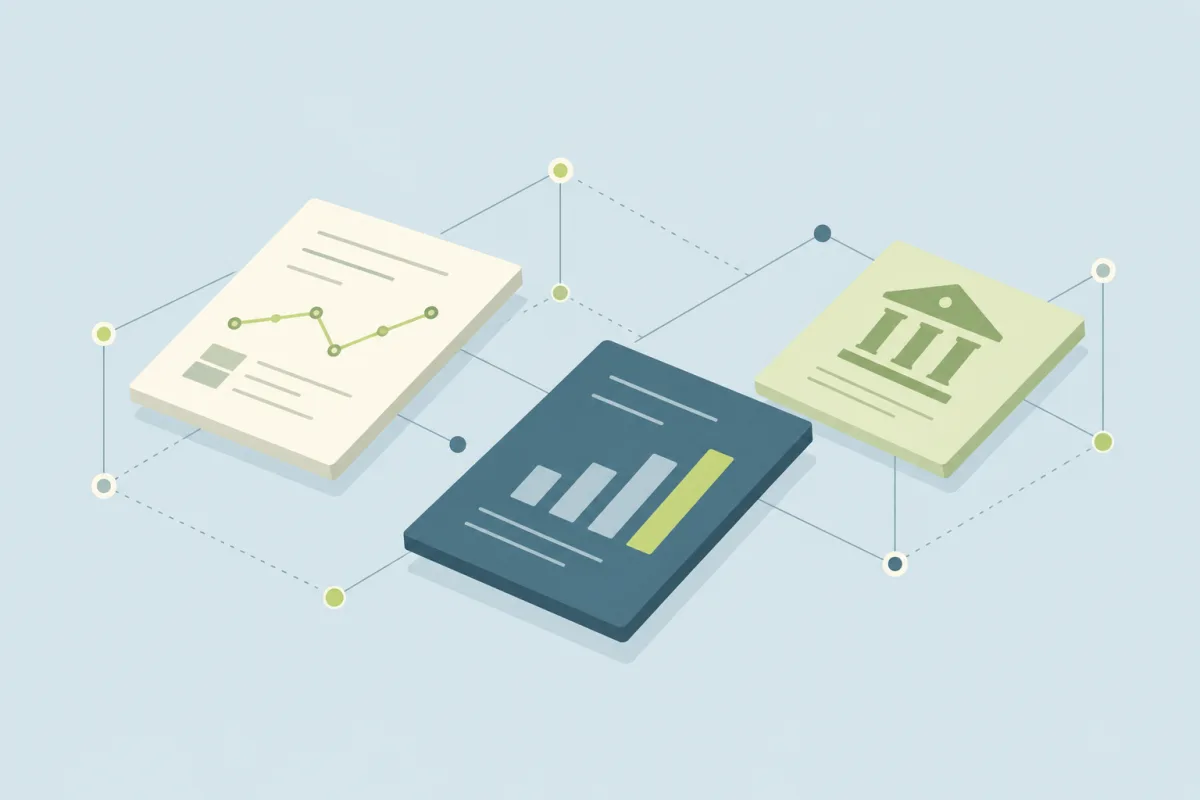
We helped STePS consolidate bank analysis data into a shared platform. Each bank is analyzed using its own latest available risk data, with update dates and changes from earlier versions retained alongside it. Users can investigate why a number changed and discuss credit and business opportunities from a consistent information base.
What we delivered
- A shared bank research platform that uses each bank's own latest available risk data rather than applying one common date to every bank.
- Source-date and version-difference records that let researchers trace changes in the data used for an analysis.
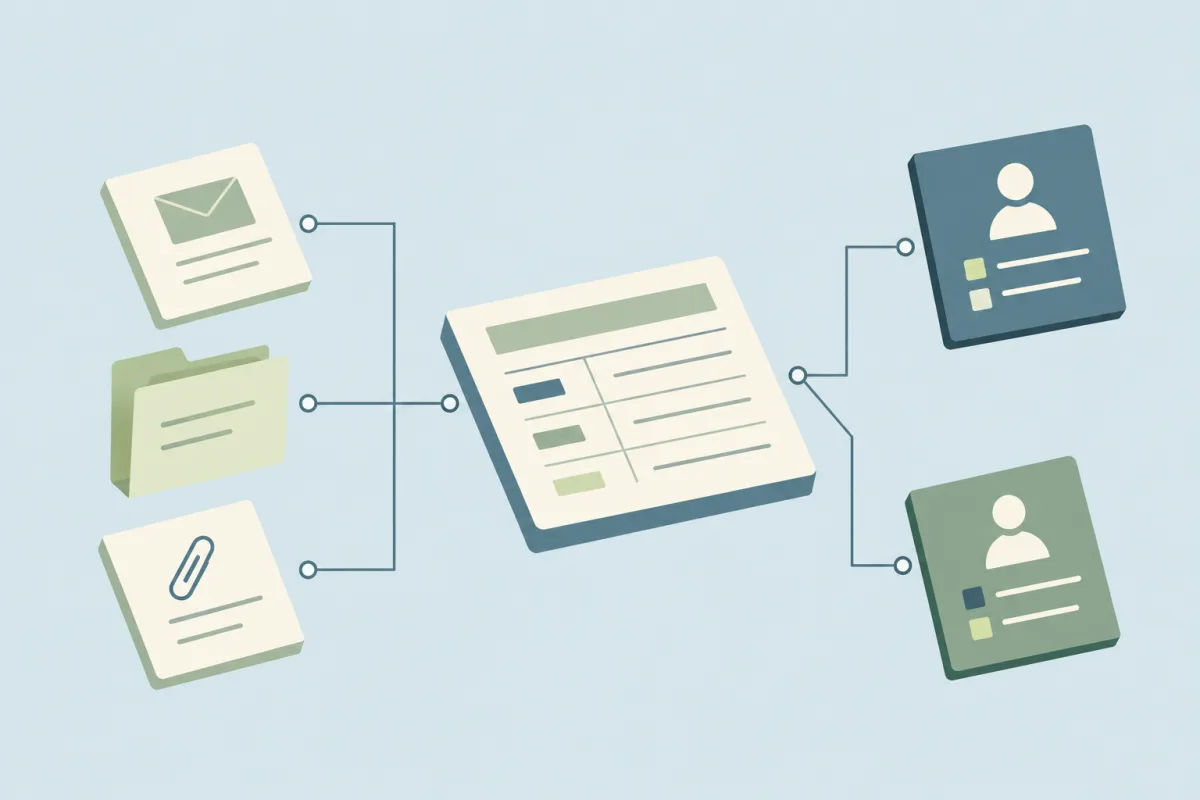
- A DDQ workflow connected to Box and web submissions, with AI-assisted organization, prefilling, missing-item and contradiction review, and follow-up drafts for sales staff to review.
The details we handled
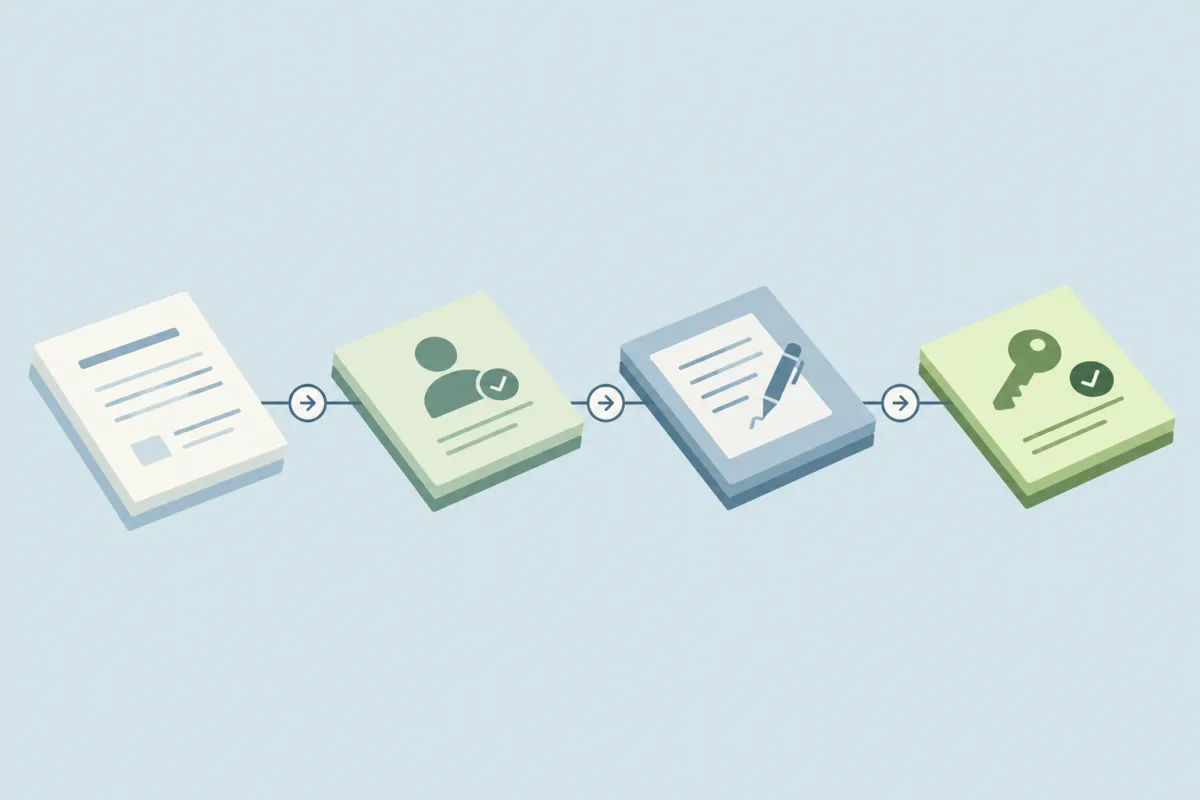
The due diligence questionnaire, or DDQ, is also connected to the workflow. Clients provide documents and answers through Box and the web. AI helps organize and prefill information, identify missing items or contradictions, and draft follow-up questions. Sales staff review the material before communicating with clients. From data analysis to document review, the current status and next step remain visible.
- Financial, credit-risk, and leverage data update on different schedules. Freshness must be established for each bank and source, with dates retained so older available data is not mistaken for a synchronized update.
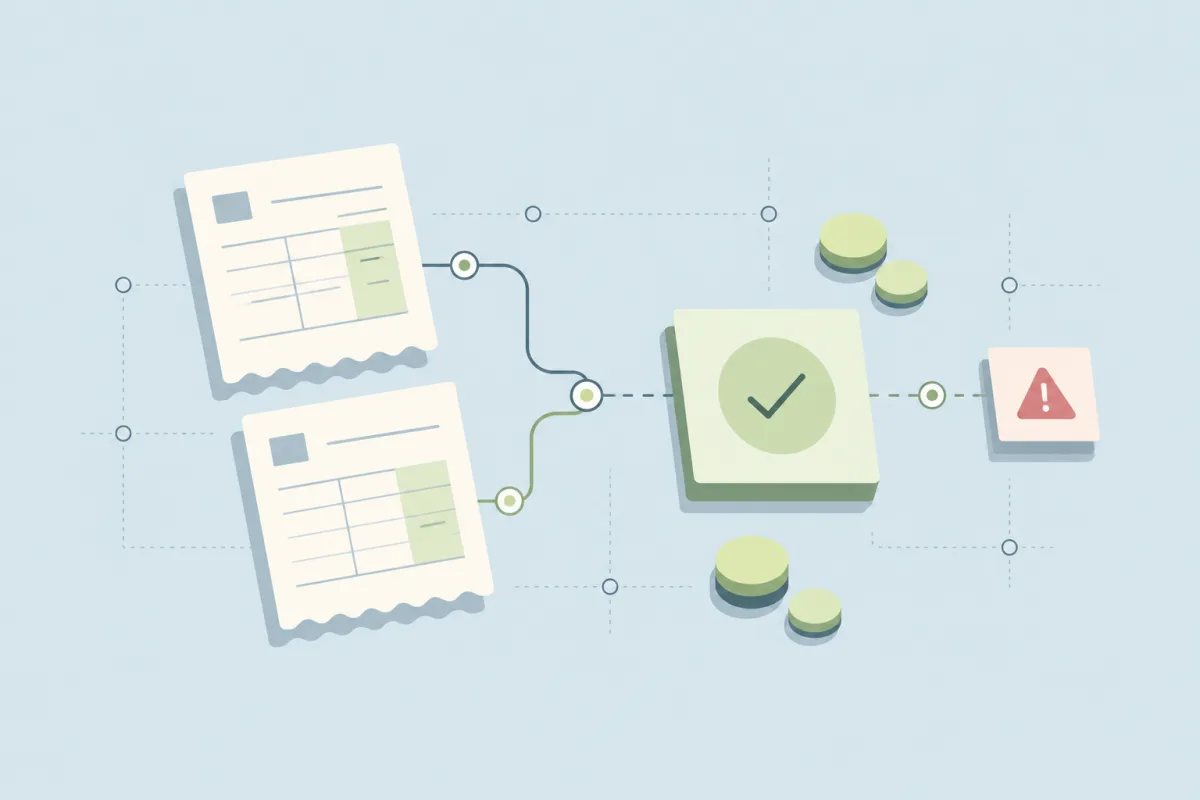
- DDQ answers and supporting documents may be incomplete or contradictory. Prefilled answers and follow-up drafts need to remain connected to the supplied material so staff can review unresolved questions before contacting clients.
What changes
Bank research and due diligence share a record of the data available, the changes since the previous version, and the questions still requiring an answer. Researchers can explain the basis of an assessment, while sales staff can review supporting material and prepare the next client discussion from the same workflow.
How to verify delivery
Acceptance checks for a comparable implementation. Agree on representative inputs and acceptance criteria with your team before verification.
- Select banks whose risk data has different update dates; verify that each bank uses its own latest available record and displays the corresponding source date.
- Compare an updated bank record with its earlier version; trace the displayed differences back to the source values used in the analysis.
- Submit DDQ material containing a known missing item and a contradiction through the supported channels; inspect the organized evidence and follow-up draft, then confirm the sales review step before client communication.
Every thoughtful implementation starts with understanding the work.