The challenge
Miaolin serves 40,000 customers with a team of 20 sales assistants and wants to grow further. With order intake already manageable, the challenge is to develop more of those customer relationships when skilled assistants are difficult to recruit. The opportunity is to give the existing team room to understand each customer's business and discover needs that routine conversations may never bring to the surface.
The percentage describes coverage of the assistants' existing work. The team handles the remaining 5% and focuses on customers' untapped needs.
Our approach
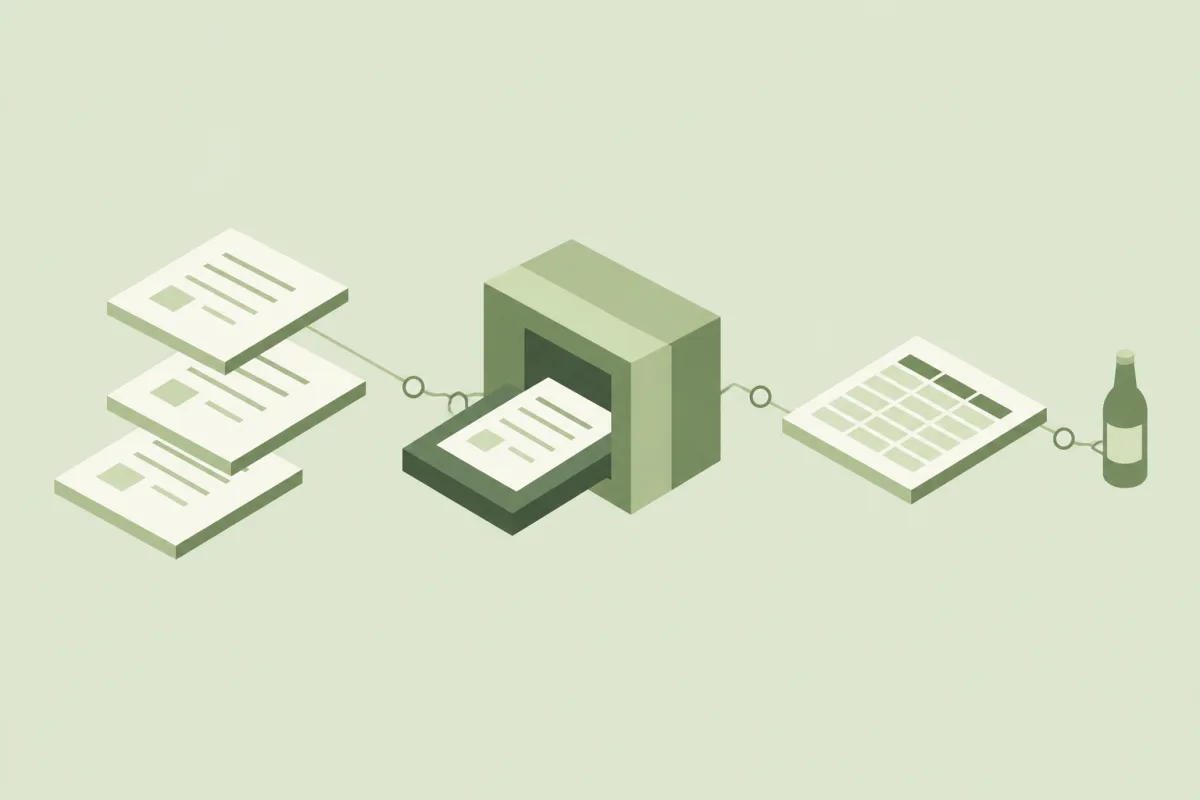
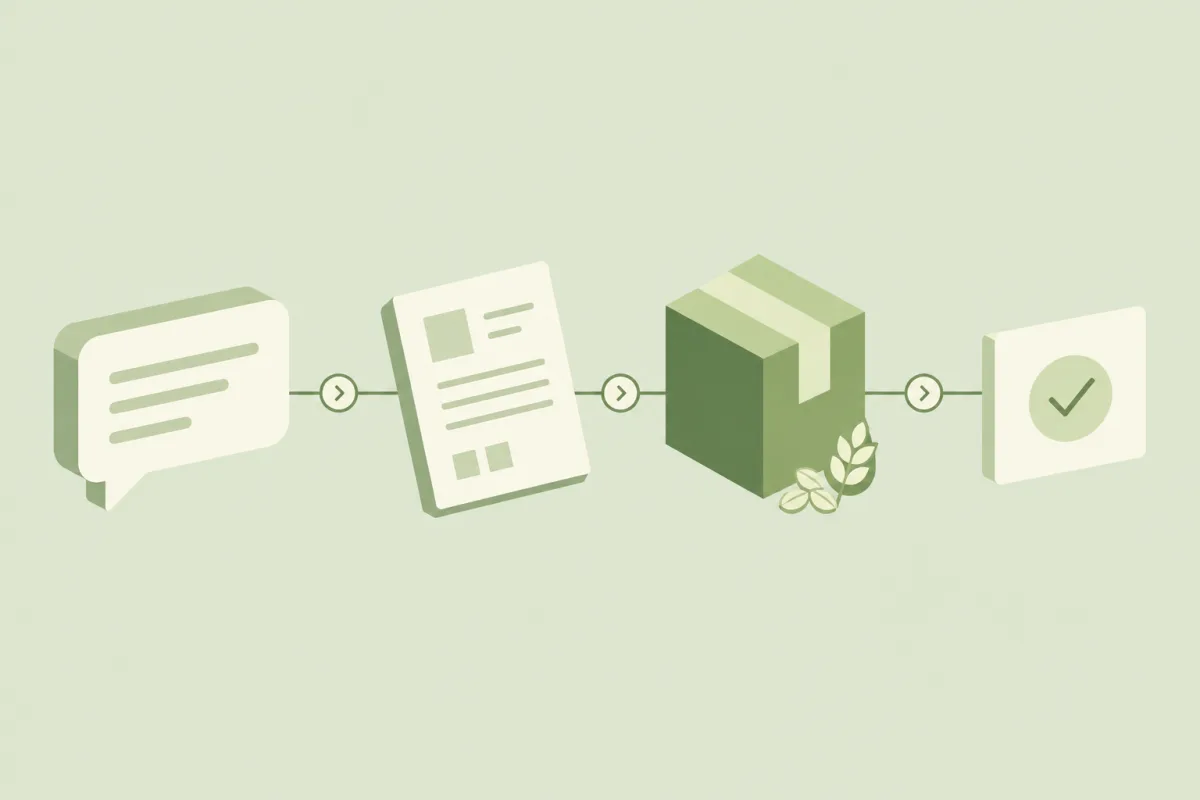
We connected a LINE ordering assistant, a B2B platform, and ERP operations so AI could take on the team's existing service work. Customers continue using LINE to ask about products, prices, stock, and delivery dates. AI matches products, retrieves the relevant information, and prepares orders, while staff take over the requests that need their judgment.
What we delivered
- A LINE ordering assistant that matches common product abbreviations, retrieves customer-specific prices and stock information, and prepares order details.
- A B2B confirmation workflow that carries multiple requested items from the conversation into an order for review.
- ERP connections for product, inventory batch, and expected delivery information, with organized customer and product context for staff handover.
The details we handled
The implementation accounts for the details of food ingredient distribution: common product abbreviations, customer-specific prices, inventory batches, and expected delivery dates. Multi-item enquiries carry through from the conversation into order confirmation. When a person takes over, the product and customer context is already organized and ready to use.
- The same product can be requested under different abbreviations, while its price depends on the customer. Product matching and customer identification must remain connected throughout the enquiry.
- Stock batches and expected delivery dates affect what can be promised. Multi-item conversations must retain the correct information for every order line when moving into confirmation or staff handover.
What changes
AI now handles 95% of the sales assistants' existing work. People handle the remaining 5% and can give more attention to uncovering customers' untapped needs. With routine work covered, the same team's product knowledge and customer relationships can play a greater role in Miaolin's next stage of growth.
How to verify delivery
Acceptance checks for a comparable implementation. Agree on representative inputs and acceptance criteria with your team before verification.
- Submit enquiries using common abbreviations and multiple products; compare the matched products and customer-specific prices with the corresponding ERP records.
- Check enquiries that involve different inventory batches and expected delivery dates; confirm that each answer refers to the correct item and source information.
- Move a multi-item enquiry into order confirmation and then staff handover; compare every item with the original request and confirm that customer context remains available.
Every thoughtful implementation starts with understanding the work.