The challenge
When a customer changes a delivery date, planners must recheck wafer arrivals, downstream processes, work in progress, and assembly and test capacity. With information scattered across reports from different suppliers, simply assembling the current picture takes a round of preparation. Production conditions keep changing while sales needs a prompt response, making data preparation a potential communication bottleneck.
Our approach
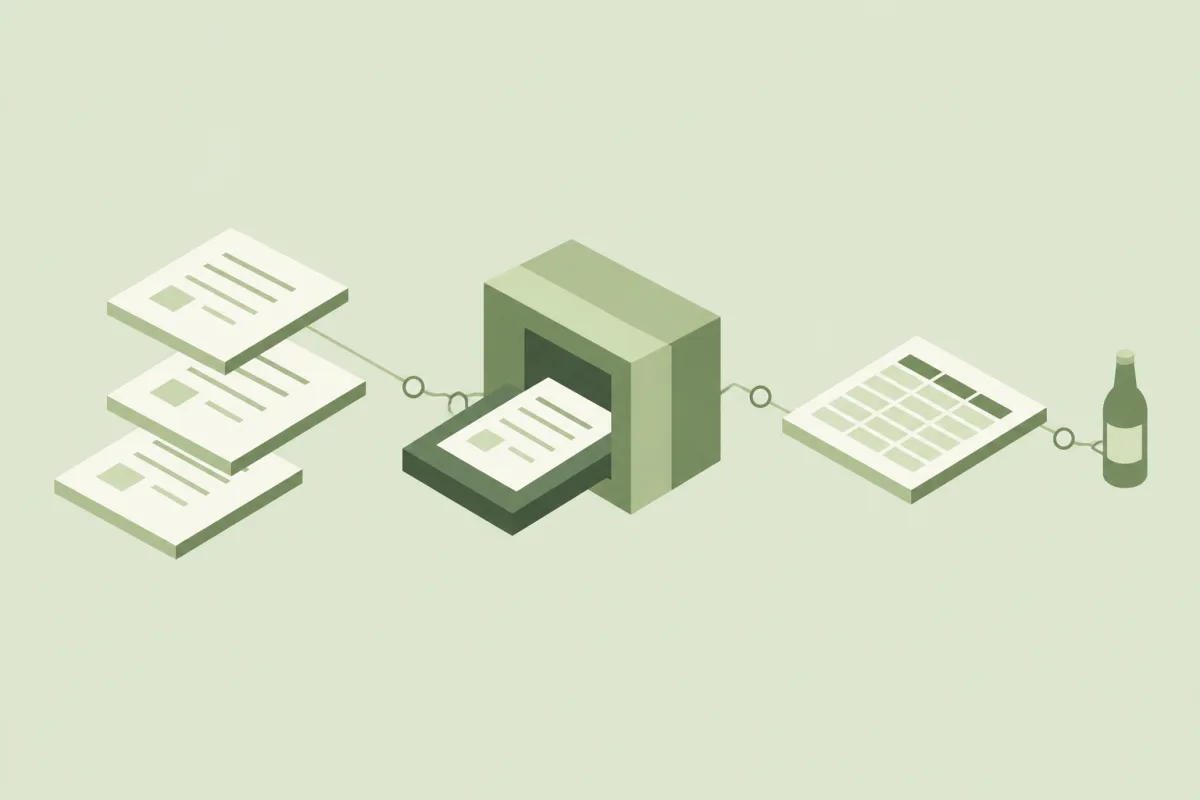
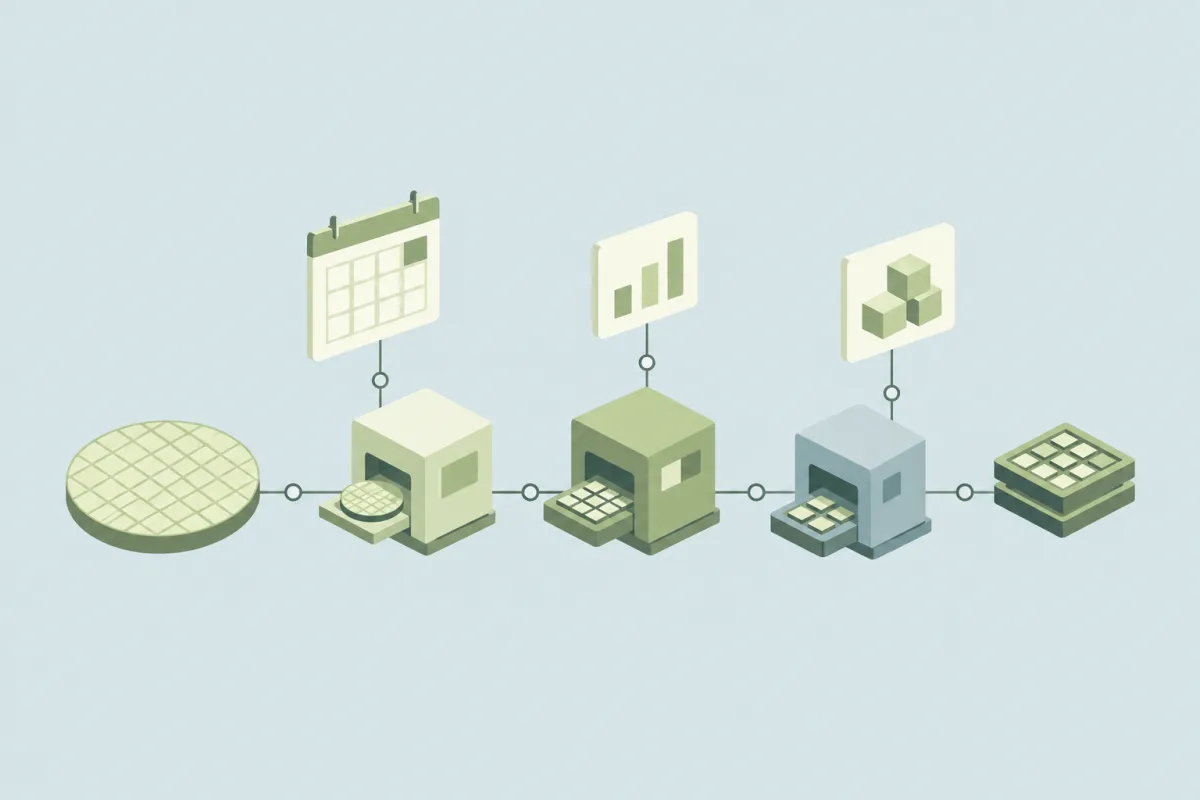
We helped REED Semiconductor deploy a production information platform that collects supplier reports through a dedicated mailbox. AI organizes attachments and fields, then the platform calculates output using defined cycle times, yields, and capacity allocations. Planners can view batches, daily output, and supply-demand gaps in one place, and update outsourced capacity and related parameters.
What we delivered
- A dedicated supplier-report mailbox and attachment workflow that organizes incoming production information into usable fields.
- A production calculation platform using defined cycle times, yields, and capacity allocations to show batches, daily output, and supply-demand gaps.
- Source and parameter-version records for each calculation, with editable outsourced-capacity assumptions and explanations when missing information prevents a result.
The details we handled
The platform retains the sources and parameter versions used for each calculation. When delivery dates change, the team can trace the affected batches and dates. Where information is missing, they can see why a calculation could not be completed. Production and sales can discuss feasible arrangements using the same information and explain the conditions behind a delivery commitment.
- Wafer arrivals, downstream processes, work in progress, and assembly and test capacity come from different supplier reports. The relevant batches and dates must be aligned before a delivery change can be evaluated.
- A calculation depends on both source data and the selected cycle-time, yield, and capacity parameters. Missing inputs must remain visible, and a revised result must be traceable to the conditions that changed.
What changes
Planners and sales can work from the same batch, output, and supply-demand information when a delivery date changes. Retained sources and parameter versions make the conditions behind a calculation explainable, while visible data gaps identify what must be resolved before the team can discuss a feasible commitment.
How to verify delivery
Acceptance checks for a comparable implementation. Agree on representative inputs and acceptance criteria with your team before verification.
- Trace a representative batch from its supplier attachment into the platform; compare the batch, dates, and production fields with the source report.
- Recalculate a known example using its recorded cycle time, yield, and capacity allocation; compare daily output and supply-demand gaps with an independent calculation.
- Change a delivery date or capacity parameter and inspect the affected batches and dates; then remove a required input and confirm that the reason for the incomplete calculation remains visible.
Every thoughtful implementation starts with understanding the work.