The challenge
When engineers or consultants enter a client environment, they need to ask questions, clarify constraints, and make recommendations with incomplete information. A résumé describes experience and an interview reveals how someone communicates. Hiring managers also want to see how candidates identify problems, test assumptions, and reach judgments when faced with different perspectives.
Our approach
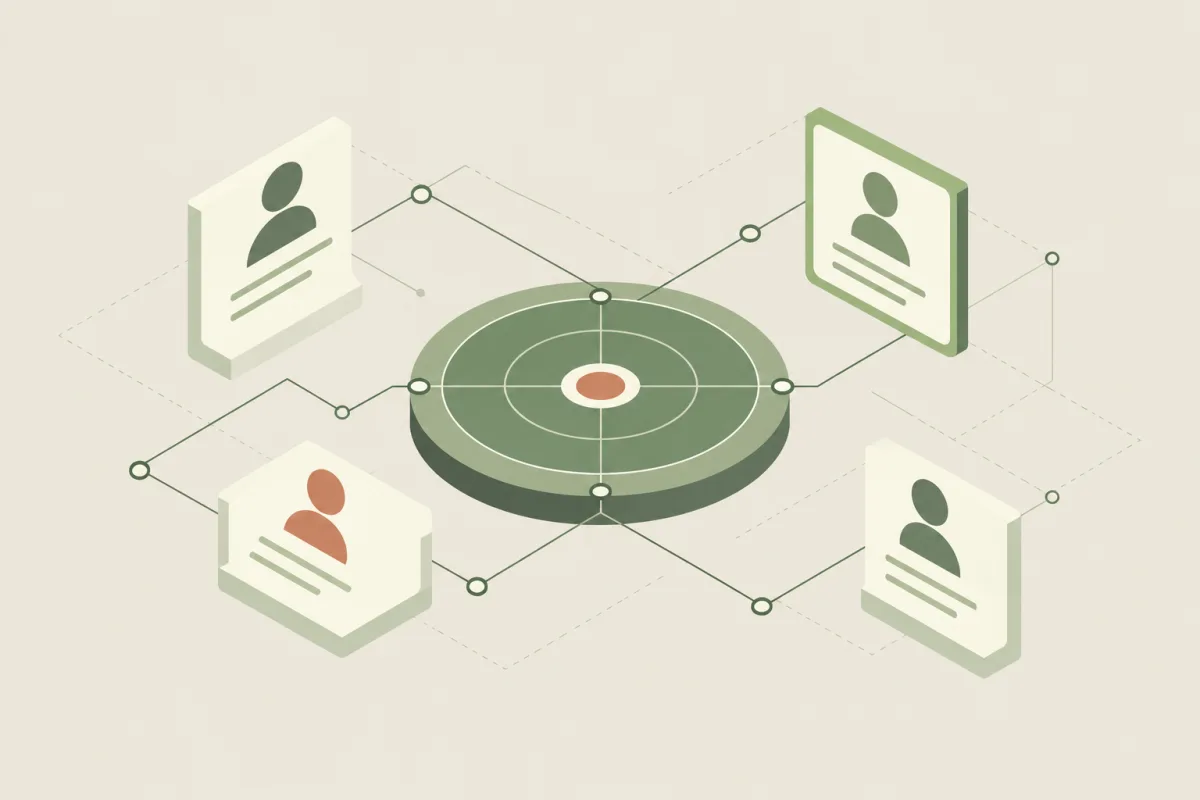
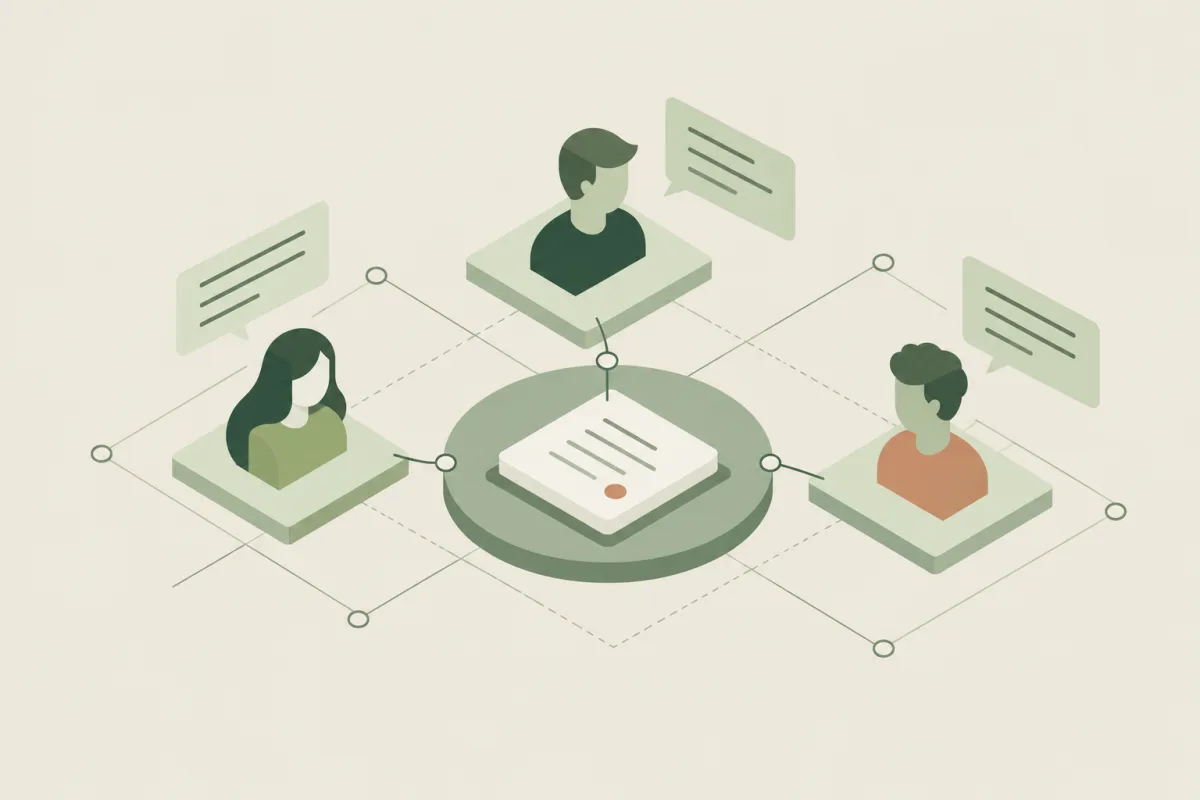
We built Signal Room to place candidates in an interactive simulated work environment. Multiple AI characters each hold different information and viewpoints. Candidates explore requirements through conversation, then submit a recommendation. They can also use a private AI assistant to organize notes and check their reasoning, allowing the team to observe both how they use tools and whether they retain their own judgment.
What we delivered
- An interactive work simulation with multiple AI characters holding different information and viewpoints.
- A private AI assistant for candidates to organize notes and examine their reasoning during the exercise.
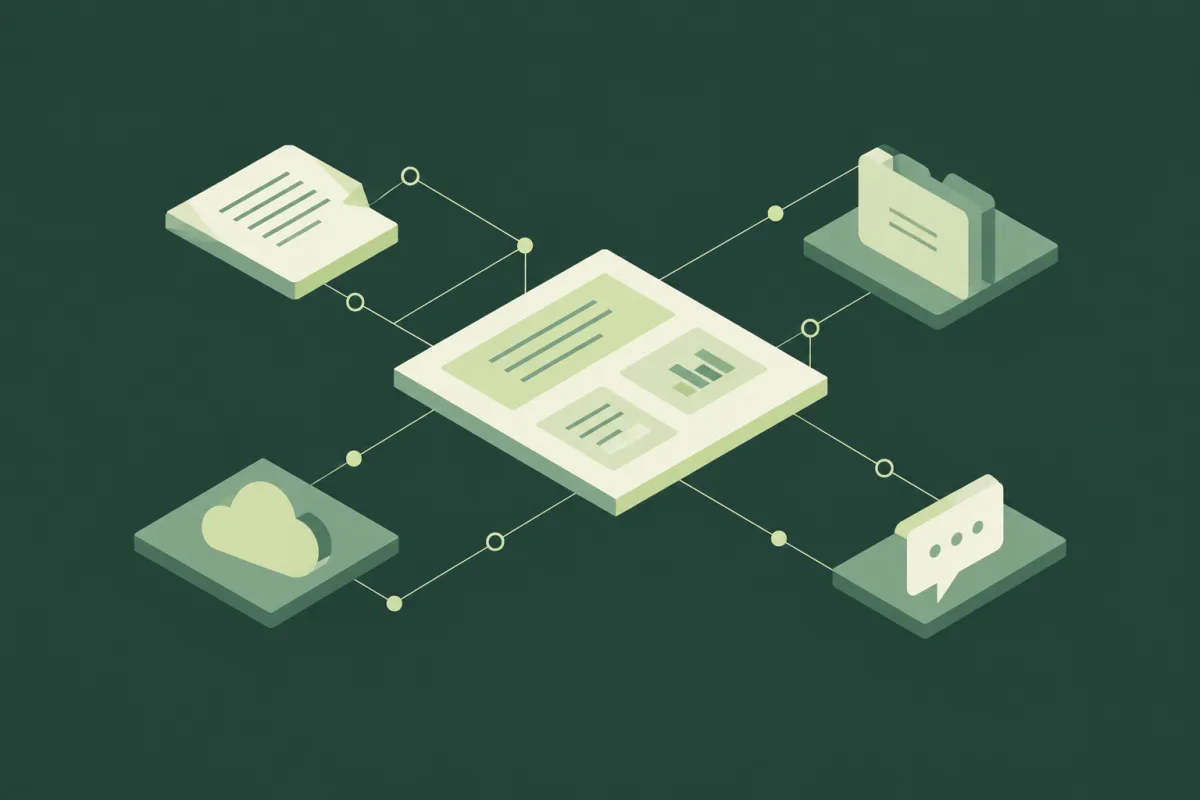
- An assessment report connecting conversations, assistant usage, and the final recommendation to material for interviews and training.
The details we handled
Conversations, assistant usage, and the final recommendation become an assessment report, letting managers trace a conclusion back to specific behavior. Whether a candidate asks about key constraints or how they handle conflicting information provides a concrete starting point for a follow-up interview. The same material can support training, with feedback on an individual question or line of reasoning.
- Represent different stakeholder perspectives and incomplete information so candidates must ask questions and examine conflicting accounts.
- Connect a final recommendation to the candidate's actual questions and reasoning, while making their use of an AI assistant visible for review.
What changes
Hiring managers gain a shared work product and a record of how a candidate explored the problem, used assistance, and formed a recommendation. Those records provide concrete starting points for follow-up interviews and feedback on individual questions or reasoning, supporting a closer discussion of how the person would work.
How to verify delivery
Acceptance checks for a comparable implementation. Agree on representative inputs and acceptance criteria with your team before verification.
- Run a representative scenario and compare each AI character's responses with the information and viewpoint assigned to that role.
- Complete a conversation, use the private assistant, and submit a recommendation; inspect whether the assessment report includes the corresponding records.
- Select a conclusion in the assessment and trace it to specific dialogue or work; ask a reviewer to check the basis for the judgment.
Every thoughtful implementation starts with understanding the work.